Search
 Login / Register
 Store Finder
 011 730 8200
Not sure where to start?
Answer a few simple questions and we’ll direct you to your perfect bed.
Find your bed
Enable notifications to get the best news on sales and special offers


You might be one of those people who never get into your bed dirty; you shower before bed and put on clean pyjamas and fuzzy socks. So, if you’re never dirty when getting into bed, your bed never gets dirty, so you don’t have to clean it. Unfortunately, that’s not quite how it works. Your mattress needs to be well taken care of, and cleaned periodically.
Researchers have found that the average person loses 25 millilitres of sweat per hour. To put that into perspective, that’s 200 ml per night, 1.4 litres per week, 5.6 litres per month, and a whopping 73 litres of sweat every year. While the majority of this sweat either evaporated or is absorbed by your pillows and sheets, some of the sweat inevitably seeps into your mattress itself.

Furthermore, the dampness that is caused by your sweat is a perfect breeding ground for mould, mildew, fungi and bacteria. The development of these hygienic problems can lead to some severe health issues since breathing in the spores could cause respiratory problems.
Having a well-ventilated mattress could help with this problem, but the real solution is cleaning your mattress!
As much as 16% of our ten trillion body cells are skin cells. Skin cells are constantly being renewed; new cells are formed, they get worn down by the elements, they flake off and then they’re replaced by new cells.

30 000 to 40 000 of these cells slough off every hour of the day and this process doesn’t stop during the night. These dead skin cells collect in your mattress, building up over time unless you clean your mattress.
Dust mites and similar critters are attracted to poor bed hygiene. These organisms thrive in warm, dark, and humid places. Within one month of hatching, a mite is ready to breed and produces 30 to 100 eggs per laying.

There are 100 to 500 dust mites for each gram of dust in your mattress. The only way to ensure a mite free mattress is to keep it clean!
Finally, dust mites can cause allergies and respiratory (breathing) problems.
Mattress maintenance is more than just cleaning your mattress; it also includes taking care of it.
The number one step in Mattress Care is to make sure you purchase a good quality mattress.

This will not only ensure that your mattress will last longer, but good quality mattresses are also easier to clean.
Making use of a mattress protector goes a long way in ensuring that your mattress stays as clean as it possibly can, for as long as it can.
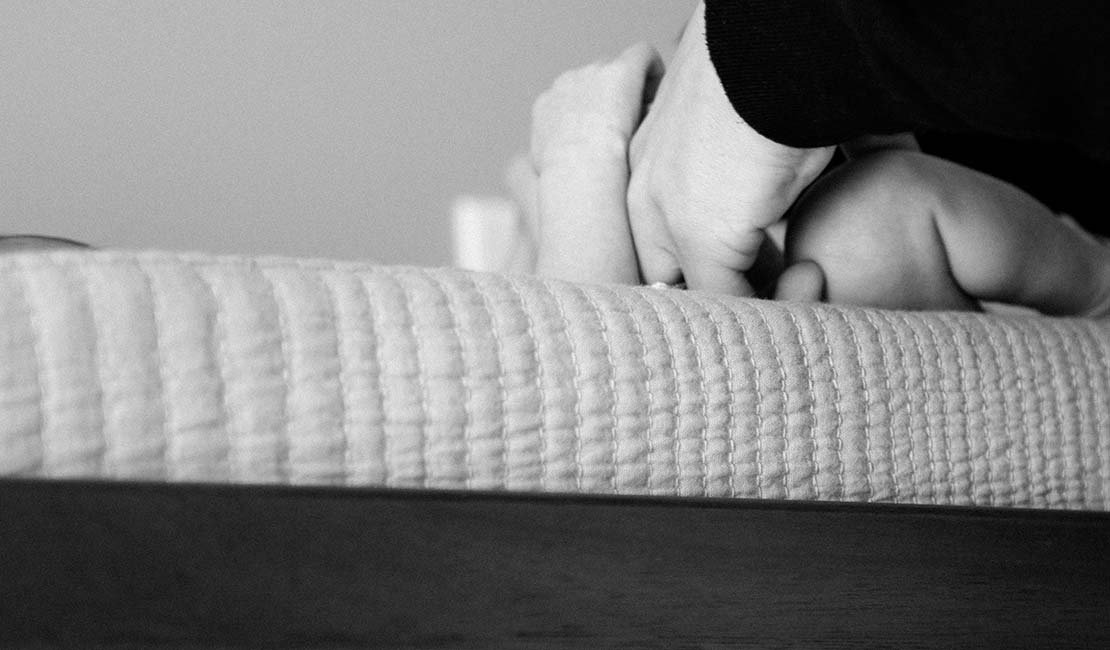
A mattress protector provides a barrier between your mattress and the environment. It protects your mattress from your bodily fluids, as well as the humidity in the atmosphere.
Breathable, loose clothing does not encourage sweat; unlike heavy, synthetic material that traps heat. Making sure your clothes don’t promote perspiration is vital in protecting the longevity of your mattress.

The best step in caring for your mattress is making sure it stays clean.
Open windows and switch on fans to ensure that the air is moving. Air circulation is critical in controlling humidity.

The moving air blows away some of the moisture in the air, as well as some of the mites that live in your bed.
As much as we love our pets, we have to be realistic. Fur carries a lot of dust which, in turn, results in dust mites. Allowing your beloved dog or cat to sleep on your bed with you, unfortunately, brings as much dust into your bed as it does cuddles and love.

More dust equals more frequent cleaning of your mattress.
We’ve all been kids, and we’ve all treated our bed like it was a jumping castle. Mattresses, however, were never manufactured for this purpose. The delicate springs and coils are not designed to handle repeated force crashing down on them. The same can be said for pure foam mattresses. The foam in these mattresses can develop tears and holes if treated like a trampoline.

While this is a fun activity, it damages the bed and is not advisable. Therefore, in order to take good care of your mattress, discourage the little ones from using it as a trampoline.
I am personally guilty of having at least 6 soft toys on my bed at any given moment in time, so I understand the pain of what you’re about to read. Soft toys, like pets, carry a large amount of dust, as well as dust mites.

Avoid having soft toys on your bed, in order to keep your mattress clean.
Regular mattress cleaning is vital in preventing health risks in your bedroom.
A dirty mattress can lead to anything from an infection, to allergies, to breathing problems.
Even if you take impeccable care of your mattress, it will inevitably still get dirty.
Take these 5 steps to clean your mattress:
Strip your bed of pillowcases and sheets, and wash them with hot water (at least 54 degrees) to kill any dust mites and other organisms.

Make this your weekly to biweekly routine to guarantee that your bed remains fresh and clean.
Whether it’s a coffee spill or your guilty pleasure is eating on your bed, there will inevitably be some stains on your mattress. Tackle these stains as soon as any spills happen. This will prevent permanent staining of your mattress.
There are different substances that you can use to clean stains, but here are four safe and easy ways:
Whichever method you decide to use, ensure that your mattress is completely dry before putting any bedding back on.
To clean the entirety of your mattress, all you’ll need is vinegar, or a weak solution of hydrogen peroxide (no higher than 3%), and some baking soda.

Step one: Fill a spray bottle with vinegar (or hydrogen peroxide) and liberally spray the top layer of your mattress. Switch on a fan and open the windows. Switch off the fan after 20 minutes.
Step two: Sprinkle a layer of baking soda all over the mattress and leave it on for two to five hours. You will notice the baking soda will start clumping together as it absorbs the vinegar.
Step three: Vacuum until all traces of baking soda are gone.
This method not only cleans your mattress, but also gets rid of any odours.
Never underestimate the power of the sun as a cleaning agent. UV rays from the sun can remove just about any stains. Furthermore, there is no better way to refresh your mattress than by placing it outside in the fresh air. This is a great method to use; it is completely harmless to both the mattress, as well as the environment, and is minimal work for you.

Finally, this method allows for the mattress to get dried out by the sun, so you can rest assured knowing that your mattress is completely dry before you cover it back up in sheets.
Some mattresses can be flipped over top to bottom, which is the easiest way to feel a sense of new vitality in mattress, as well as avoiding the forming of “sleeping wells”. Sleeping wells refer to the human shape ditch that develops in your mattress when you’ve been sleeping in the same spot for too long.
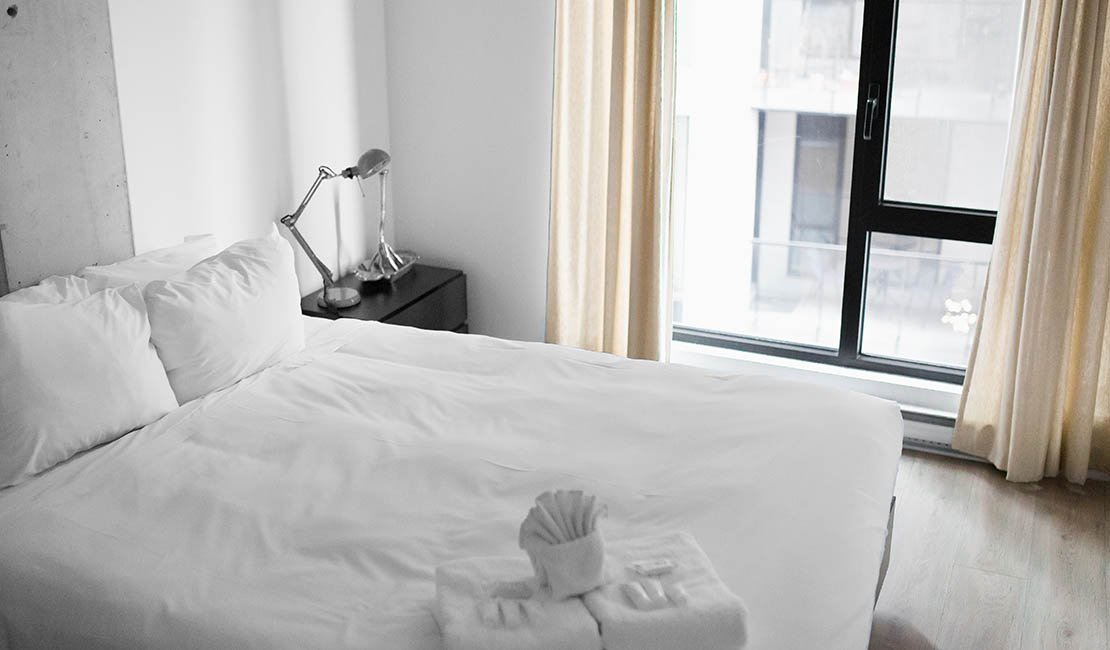
Some mattresses can’t be flipped, so make sure you know whether your mattress can. If it can’t, it is still a good idea to rotate your mattress from time to tie.
It is recommended that you flip your mattress once a month, or at the very least every time the seasons change.
You spend a lot of time in bed, whether you’re sleeping, watching Netflix, or just being lazy. It is important to take care of your mattress and to clean it properly so that your bed can last as long as it possibly can.
Follow the advice in this blog, and you’ll be happy with the results!
For tips on how to care for your new mattress, click here.
Double Bed Mattresses That Fit Your Budget
Guarding Your Home: What Are Effective Strategies for Bed Bug Defence?
The Importance of Mattress Hygiene and What To Look Out For
Crafting a Home Away from Home: The University Student’s Guide
Blackouts and Sweet Dreams: How the Right Mattress Defies Load Shedding
How to Choose the Best Baby Mattress
Bunk Beds: Maximise Space with Style
Love Your Health, Love Your Sleep
The Best Beds to Buy in 2024
Get the Best Black Friday Shopping Tips for 2023
Double Bed Mattresses That Fit Your Budget
Guarding Your Home: What Are Effective Strategies for Bed Bug Defence?
The Importance of Mattress Hygiene and What To Look Out For
Crafting a Home Away from Home: The University Student’s Guide
Blackouts and Sweet Dreams: How the Right Mattress Defies Load Shedding
How to Choose the Best Baby Mattress
Bunk Beds: Maximise Space with Style
Love Your Health, Love Your Sleep
The Best Beds to Buy in 2024
Get the Best Black Friday Shopping Tips for 2023